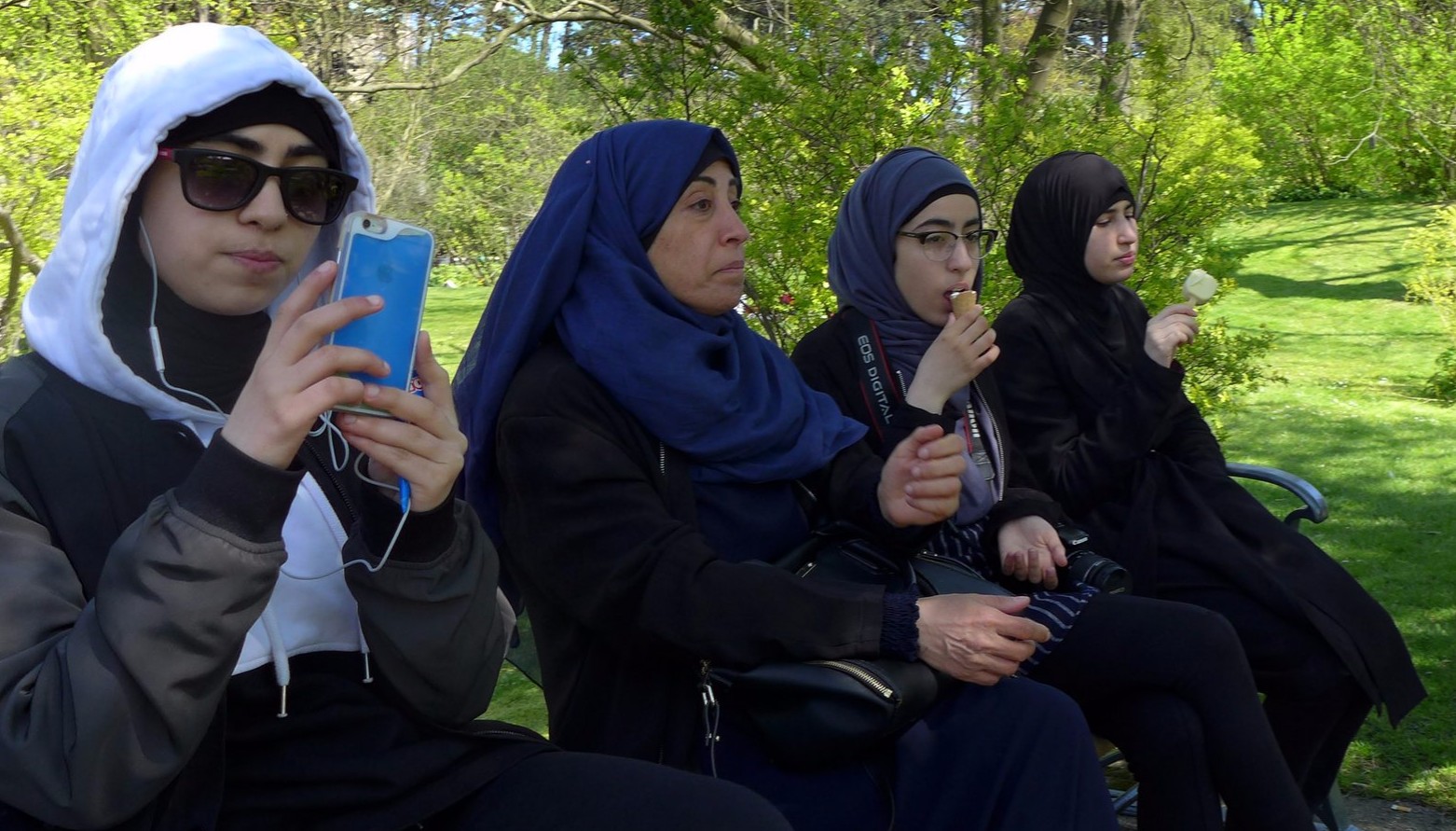
Botanisk Have, København. © Snaphanen. Klik f. helskærm.
Snaphanen holder sommerferie i juli måned. Der kan forekomme enkelte visse opdateringer i løbet af måneden i særlige tilfælde. Ellers kommer jeg igen i starten af august. Jeg kunne sagtens forpeste den skønneste del af året med politik og politikere, men for første gang i 14 år, vælger jeg at lade være.
Det er alligevel ikke det værd. Ulideligheden og jeremiaderne løber ingen vegne, mens jeg samler svampe og spiser jordbær og kantareller. Jeg har taget Celine med på landet, det er en helt anden slags selskab. Der er endnu et rigtigt liv derude hinsides politikere, journalister, landssvigere, nouveau riches og vores civillisations banemænd m/k. Mest kvinder, som de fleste allerede har bemærket. Jeg kan træffes på Twitter og Facebook.
Johan Chr. Nord
Hvorfor lader vi vores fjender vade rundt iblandt os?
Hvor lang tid har politikerne at løbe på, hvor vi endnu finder os i muslimske nedslagtninger af os? Ikke uendeligt, det er det eneste, man kan love dem dem, og det kan de nok godt opfatte som en advarsel. Der er ingen, der lover dem, de slipper gratis fra, hvad de har gjort, selvom politikere jo er vant til at slippe helt gratis fra kapitale brølere. Lad os nu se. I dag vil de Radikale Hellerup-populister “forbyde burka” (som de trækker tilbage torsdag.)
Tror partiet, det går lige op med 100 års forræderi og udsalg af landet? Glem det, tøser! I bliver en del af den krig, I selv har arbejdet på så længe. Der er ingen ‘safe spaces’ for de hellige og de hovedskyldige.
Kunne ordentlige mennesker for bare to år siden have gjort sig til offentlige fortalere for omfattende deportation og internering af jihadisme-sympatisører? Nej, vel? Men det kan de nu. Muligheden er allerede blevet fremsat flere steder i vores Europa – og sågar under en valgkamp. Inden det britiske valg udtalte den fortsat siddende premierminister, at en internering af potentielle jihadister kunne blive nødvendig, og javist, hun gik tilbage, men hun faldt ikke.