Copyright Julia Caesar och Snaphanen. Citera gärna delar av texten men iaktta gott bloggskick och länka till Snaphanen
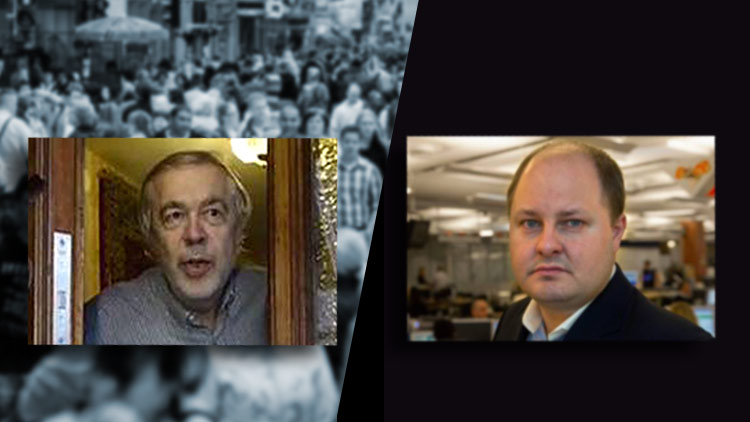
Ett justitiemord och en krigsförklaring mot allmänheten och den grundlagsstadgade yttrandefriheten. Det är innebörden av frikännandet av Expressens chefredaktör Thomas Mattsson i tryckfrihetsmålet där Mattsson åtalats för grovt förtal av den pensionerade 70-årige docenten Jim Olsson.
I december 2013 hängdes Olsson ut och förnedrades på lögnaktiga grunder i Expressen. Han framställdes som våldsbejakande rasist, ”näthatare” och ”krigshetsare” som ville ”initiera inbördeskrig i Sverige” sedan han skrivit anonyma kommentarer på nätet och tillskrivits citat som han var oskyldig till.
Röjd identitet och oanmälda hembesök
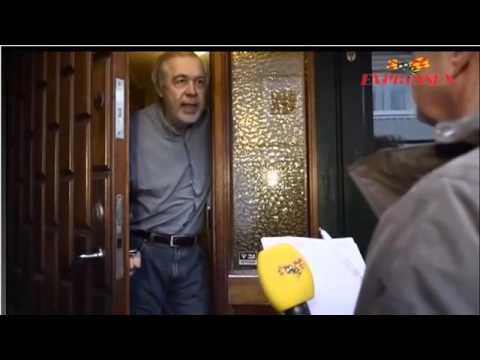
För tydlighetens skull: Jim Olsson har inte gjort sig skyldig till hets mot folkgrupp eller något annat brott. Däremot har han haft fräckheten att hysa egna politiska åsikter. Det såg Expressen som anledning att röja hans och en mängd andra privatpersoners identitet genom att anlita det våldsbejakande hackernätverket Researchgruppen, före detta AFA Dokumentation. Jim Olsson och många andra utsattes för oanmälda hembesök av tidningens reportageteam och pekades ut som ”rasister” och ”främlingsfientliga”.
”Jag var rädd de första nätterna, min fru var livrädd”
Expressen påstod i samband med rättegången att Jim Olsson inte lidit någon skada av publiceringen. Ett fullkomligt sanslöst påstående. Att bli ofredad i sitt eget hem och sedan uppspikad på vår tids skampåle är ett socialt och psykologiskt stigma som inte går att föreställa sig för den som inte har upplevt det.
Det vet Thomas Mattsson och alla andra journalister. Stigmatisering och brännmärkning är själva avsikten med uthängning och drev i media. Media använder sig av de här metoderna som maktmedel. Kännetecknet på ett lyckat mediedrev är att den utpekade personen tillfogas så stor skada som möjligt och helst bryter ihop och förpassas till randen av självmord. Efter uthängningen förlorade Olssons lilla företag alla sina kunder. I förhöret sa han:
”Jag var rädd första nätterna, min fru var livrädd, vi hade svårt att sova. Jag åkte ut och köpte brandvarnare, det var ungefär det jag gjorde.”
Bröt mot reglerna i medias dramaturgi
Den pensionerande docenten i fysikalisk kemi Jim Olsson blev rikskänd och fick ett massivt folkligt stöd när han ofredades i sitt eget hem av Expressens reportageteam. Han bad reportern Jimmie Fredriksson och fotografen att dra åt helvete.
Därmed bröt han mot reglerna i medias dramaturgi, i synnerhet första budet, att det utsedda offret ska kräla i stoftet och urskulda sig för att man över huvud taget har yttrat sig.
Ett ännu grövre majestätsbrott mot medias maktmonopol begick han när han tack vare en insamling av 536 000 kronor på nätsajten Fria Tider kunde anlita en advokatfirma som förde hans talan mot Expressens ansvarige utgivare Thomas Mattsson gällande grovt förtal.
Fritt fram att ljuga, förtala och hänga ut privatpersoner
Fortsæt med at læse “Söndagskrönika: Stålbadet II: Media vs folket”


 Det PK-samhälle som det ofta refereras till i politiska debatter är lite svårgripbart, det tolkas olika av olika människor beroende på den egna ståndpunkten, men om man skulle försöka förenkla kunde man kanske ändå säga att det är ett samhälle till vilket man förhåller sig ängsligt, avvaktande och rentav inställsamt. Har man de politiskt korrekta ståndpunkterna kan man räkna med att få vara ifred. Det blir lugnt alldeles oavsett vad som diskuteras.